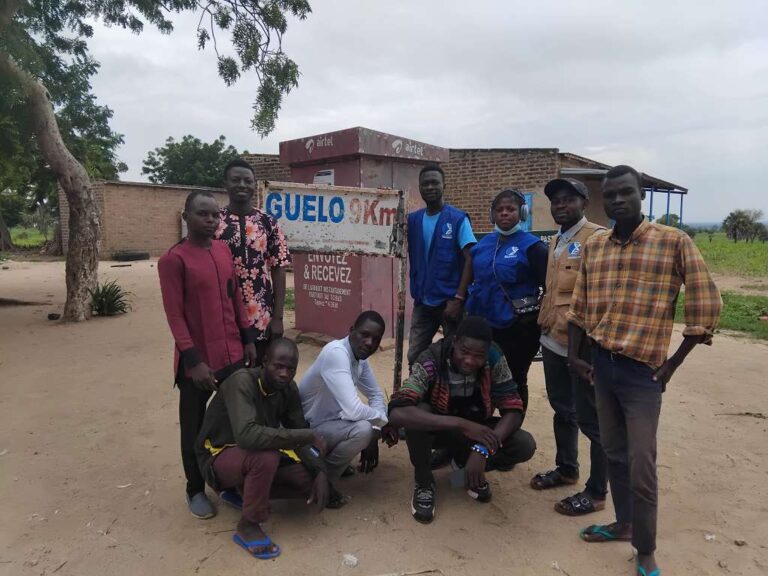
A recent study led by the Centre for Infection Biology and Tropical Health – CIBITH explored this question in southern Chad, where urogenital schistosomiasis is endemic. Using mixed research methods, the team examined how community members and local health workers perceive FGS—a condition that remains largely invisible in public health conversations.
The findings from the study revealed that:
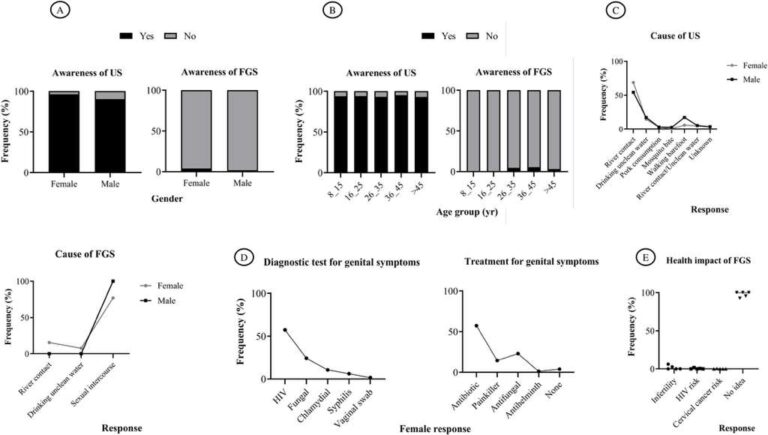
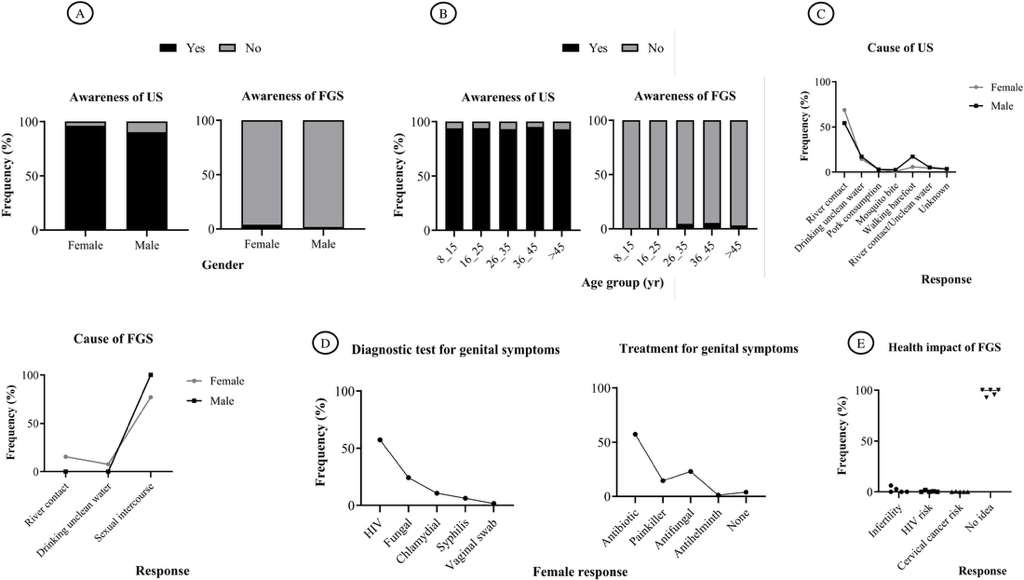
1- Awareness is highly uneven. The numbers speak audibly: While 93.8% of participants recognized urinary schistosomiasis, only 3.1% were aware of FGS.
2- Genital symptoms are often misattributed. Both community members and health workers frequently linked unusual genital symptoms to sexually transmitted infections, rarely considering FGS. The term “urogenital schistosomiasis” tends to highlight urinary symptoms (like bloody urine), while unintentionally overshadowing genital manifestations—and limiting understanding of how praziquantel treatment helps women. Simply put—the “uro” dilutes the “genital”—reinforcing this imbalance.
3- Strong support for expanded treatment. Communities and health workers expressed enthusiasm for broader praziquantel distribution, like the successful Mectizan model.
This study is a powerful reminder: FGS is not just a neglected disease—it is a neglected conversation even among HIV prevention programs. Addressing it requires health‑system strengthening and a commitment to ensuring women’s reproductive health is fully recognized and protected.
This study, led by Melissa Asongha and Francis Nkemngo, was published in @PLOS NTDs and was funded by the International Society for Infectious Diseases through seed funding from the Gates Foundation.
A simple blog about the published study can be found here: https://bioengineer.org/hidden-disease-female-genital-schistosomiasis-remains-unknown-in-southern-chad-despite-hiv-risk/
Details on the article publication is here: https://doi.org/10.1371/journal.pntd.0014791